
Discover the top 10 interactive science exhibits that every modern science center should consider. From Tesla coils to robotic demonstrations, learn what engages visitors the most.
Why Interactive Exhibits Matter
In today's experience-driven world, static displays no longer capture the imagination of visitors. Modern science centers thrive on interactive exhibits that let visitors touch, experiment, and discover scientific principles firsthand. Research shows that hands-on learning increases knowledge retention by up to 75% compared to passive observation.
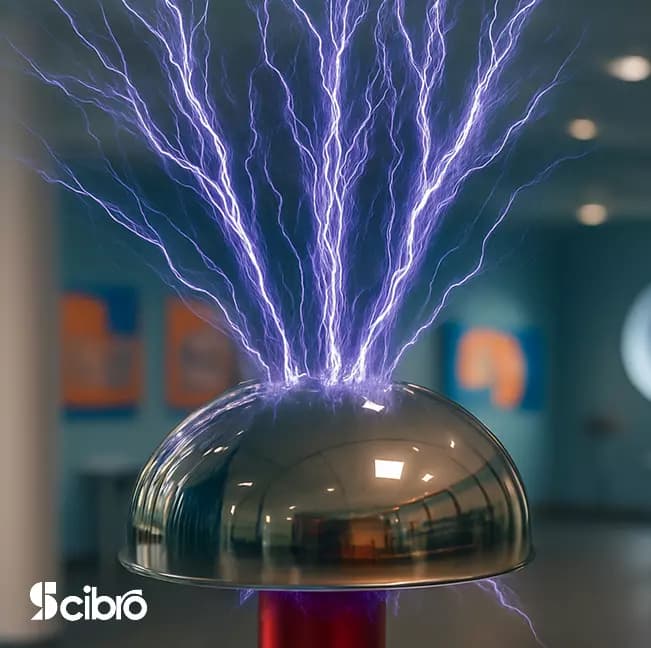
1. Tesla Coil Demonstrations
Nothing captures attention quite like a 100kV Tesla coil sending bolts of artificial lightning through the air. These exhibits demonstrate electromagnetic principles in a spectacular way that visitors of all ages find mesmerizing. Modern Tesla coil exhibits include safety enclosures and interactive controls that let visitors adjust frequency and power levels.
2. Sound Tube Installations
Long sound tubes create an immersive audio experience that demonstrates wave propagation, resonance, and acoustic properties. Visitors can whisper at one end and hear clearly meters away, making abstract physics concepts tangible and memorable.
3. Periodic Table with Real Elements
Mendeleev's table becomes extraordinary when actual element samples are displayed alongside each entry. Visitors can see the physical form of elements they've only read about, creating a powerful connection between textbook knowledge and real-world materials.
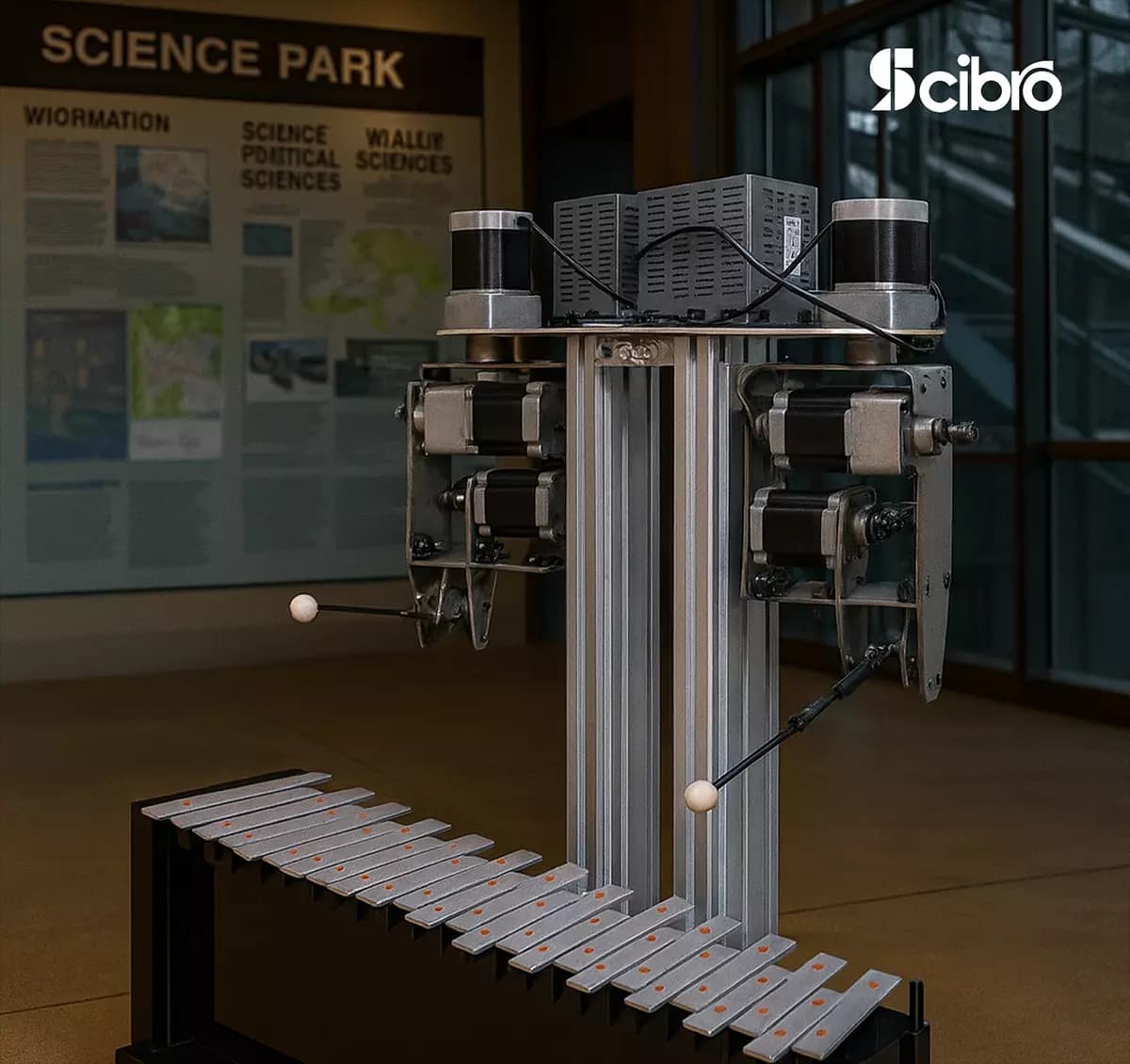
4. Robotic Music Performers
Metallophone-playing robots combine robotics, engineering, and music in a single exhibit. These installations demonstrate programming concepts, mechanical engineering, and acoustic science simultaneously, appealing to diverse interests.
5. Optical Illusion Mirrors
Cylindrical and parabolic mirrors create stunning visual effects that teach principles of reflection, refraction, and image formation. These exhibits are inherently shareable on social media, driving organic visitor engagement.
6. Newton's Cradle Variations
Large-scale Newton's cradle exhibits demonstrate conservation of momentum and energy transfer. Interactive versions allow visitors to change ball sizes, materials, and configurations to explore how variables affect the outcome.
7. Wind Tunnel Aerodynamics
Visitors design their own shapes and test them in real wind tunnels, learning about aerodynamic principles, drag, and lift. This exhibit appeals to both children and adults interested in aviation and engineering.
8. Standing Wave Machines
Transverse standing wave machines make invisible physics visible. By adjusting frequency controls, visitors can create different wave patterns and understand harmonics, nodes, and antinodes.
9. Circuit Building Stations
Interactive circuit-building stations let visitors construct working electrical circuits with various components. These exhibits teach foundational electrical engineering concepts through direct experimentation.
10. Planetarium Projections
Modern portable planetariums use digital projection to create immersive astronomical experiences. Visitors explore the solar system, distant galaxies, and cosmic phenomena in an engaging, educational environment.
Choosing the Right Mix
The key to a successful science center is variety and progression. Start with spectacular attention-grabbers like Tesla coils, then guide visitors through increasingly complex but equally engaging exhibits. Each station should build on concepts introduced earlier, creating a coherent educational journey.
At Scibro, we design and manufacture all of these exhibits with durability, safety, and educational impact in mind. Our exhibits are engineered for 15-25 years of public use, making them a sound investment for any science center.