

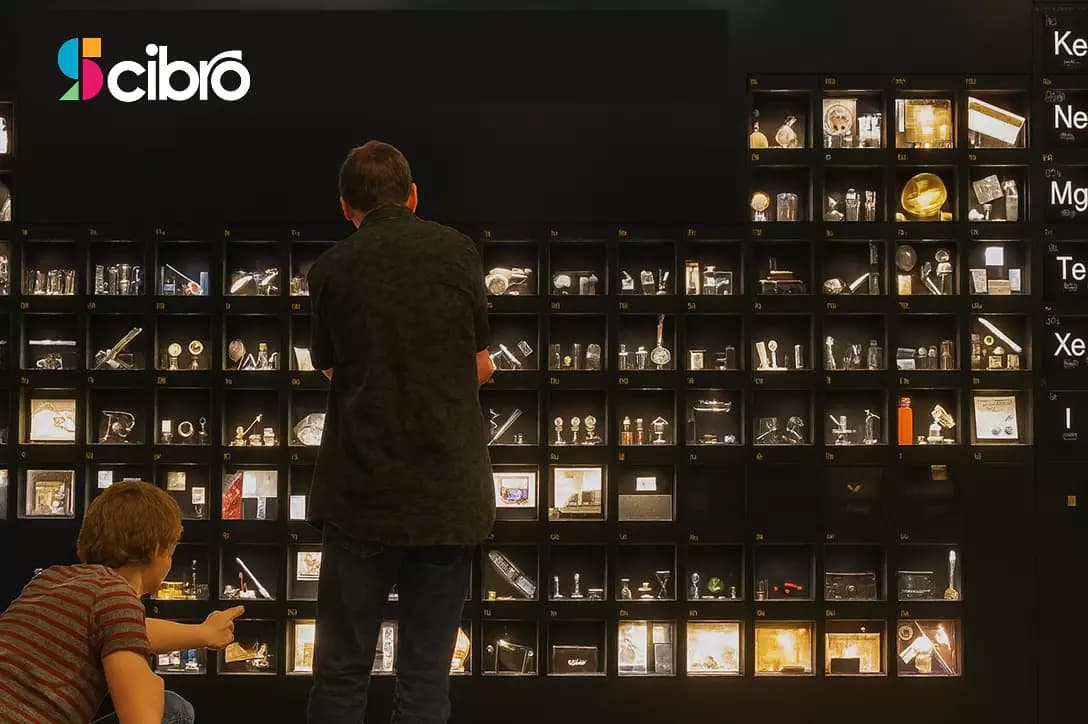
A comprehensive guide to planning and building a science park, covering site selection, exhibit curation, safety standards, accessibility, and visitor flow optimization.
Introduction: Building a Science Park That Lasts
Creating a successful science park requires careful planning across multiple disciplines. This comprehensive guide walks you through every stage of the process, from initial concept to opening day and beyond. Whether you're building a new science park or renovating an existing space, these principles will help you create an engaging, safe, and sustainable attraction.
Phase 1: Concept and Vision
Define Your Audience
Before selecting a single exhibit, clearly define who your science park will serve:
- Primary audience: School groups (ages 6-18), families, or adult learners?
- Visit duration: Quick 1-hour visits or full-day experiences?
- Educational alignment: Which curriculum standards will exhibits support?
- Accessibility: Universal design principles from day one
Choose Your Themes
The most successful science parks organize exhibits into thematic zones. Common themes include:
- Light & Vision
- Mechanics & Motion
- Sound & Music
- Electricity & Energy
- Robotics & Automation
- Biology & Life Sciences
Phase 2: Site Planning
Indoor vs. Outdoor Considerations
Outdoor science parks offer unique advantages — natural lighting, larger exhibit scales, and connection with nature. However, they also require weather-resistant equipment, seasonal planning, and robust maintenance schedules.
Visitor Flow Design
Optimal visitor flow prevents crowding and ensures a logical educational progression. Use these principles:
- Wide pathways (minimum 2.5m) between exhibits
- Clear sightlines to the next attraction
- Rest areas every 15 minutes of walking
- Multiple routes to avoid bottlenecks at popular exhibits
Phase 3: Exhibit Selection
Select exhibits that balance spectacle with education. Each zone should have:
- 1-2 "hero" exhibits that draw crowds (Tesla coils, large pendulums)
- 3-5 hands-on stations for deeper exploration
- 1 collaborative challenge for group interaction
- Information panels with QR codes linking to deeper content
Phase 4: Safety and Standards
All exhibits must meet international safety standards. Key considerations:
- CE marking for European installations
- ASTM standards for materials and structural integrity
- Electrical safety certifications for powered exhibits
- Regular inspection and maintenance schedules
Phase 5: Launch and Beyond
A successful opening is just the beginning. Plan for ongoing operations including staff training, exhibit rotation, visitor feedback systems, and regular maintenance programs.
Scibro offers complete science park planning services, from initial concept through installation and ongoing support. Our exhibits are designed for 15-25 years of durability, backed by comprehensive maintenance documentation.