

Light and optics exhibits captivate visitors with stunning visual effects while teaching fundamental physics. Learn how to create memorable light-based installations.
The Power of Light in Science Education
Light and optics exhibits hold a special place in science centers because they create immediate visual impact. Unlike exhibits that require reading instructions or following steps, optical installations capture attention the moment a visitor approaches. This instant engagement makes them ideal anchor exhibits for any science zone.
Types of Light & Optics Exhibits
Mirror Installations
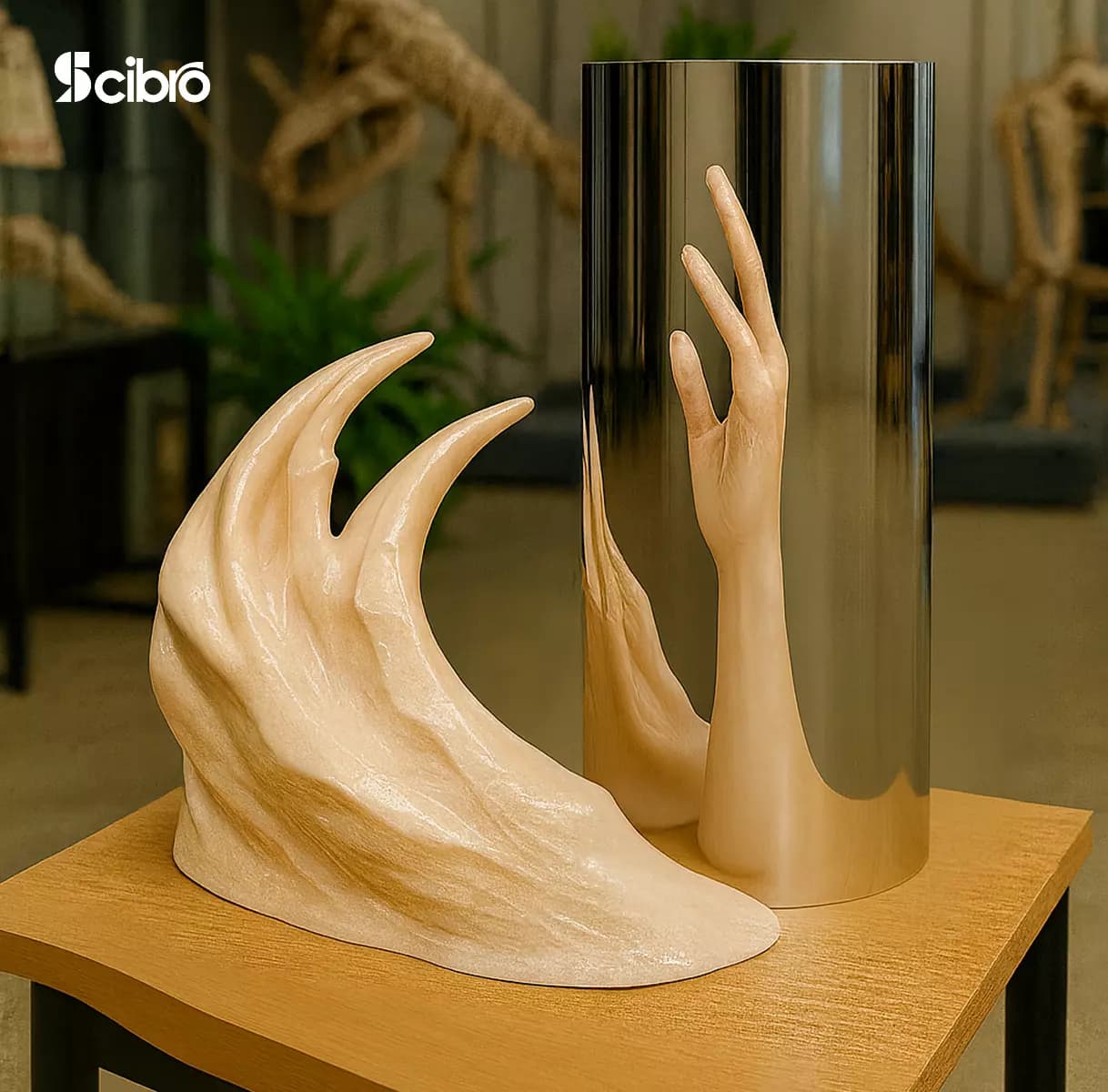
Curved, cylindrical, and parabolic mirrors create fascinating distortions and corrections that demonstrate principles of reflection. A cylindrical mirror exhibit, for instance, can correct seemingly distorted artwork into clear images, creating an "aha moment" that makes physics principles memorable.
Color Mixing Stations
Interactive color mixing exhibits demonstrate the difference between additive (light) and subtractive (pigment) color models. Visitors can project overlapping colored lights to discover how red, green, and blue combine to create every color we see on screens.
Laser Path Exhibits
Carefully designed laser path exhibits let visitors redirect light beams using mirrors, prisms, and lenses. These installations teach geometric optics through direct manipulation, making abstract concepts tangible.
Fiber Optic Displays
Fiber optic exhibits demonstrate total internal reflection — the principle behind modern telecommunications. Visitors can see how light bends around corners and travels through transparent materials, connecting classical physics to cutting-edge technology.
Design Principles for Light Exhibits
Creating effective light exhibits requires attention to specific design elements:
- Ambient lighting control: Light exhibits work best in controlled lighting environments. Consider adjustable ambient lighting or dedicated dark zones.
- Safety first: All laser-based exhibits must comply with safety standards. Use Class 1 or Class 2 lasers only in public installations.
- Multiple viewing angles: Design exhibits that reward exploration from different positions.
- Clear cause-and-effect: Visitors should immediately see the result of their actions.
Combining Light with Other Disciplines
Light exhibits pair naturally with other science themes:
- Biology: How eyes work, photosynthesis demonstrations
- Chemistry: Spectroscopy and flame tests
- Astronomy: Telescope optics, star projection
- Art: Color theory, perception, and optical illusions
Visitor Engagement Data
Light and optics zones consistently perform in the top 3 most-visited areas of science centers worldwide. The visual nature of these exhibits also makes them the most photographed and shared on social media, providing organic marketing for your science center.
Scibro's Light & Vision exhibit collection includes mirror installations, color mixing stations, laser path exhibits, and custom optical installations. All are designed for safety, durability, and maximum educational impact.