



Digital Sound Processor
A digital system that allows users to record their voices or sounds, then alter the frequency and tone before playing them back. The device demonstrates the effects of frequency modulation and provides a fun, interactive way to explore sound manipulation.
Request a Quote
Related Products
Fiber Optic Telecommunications Equipment
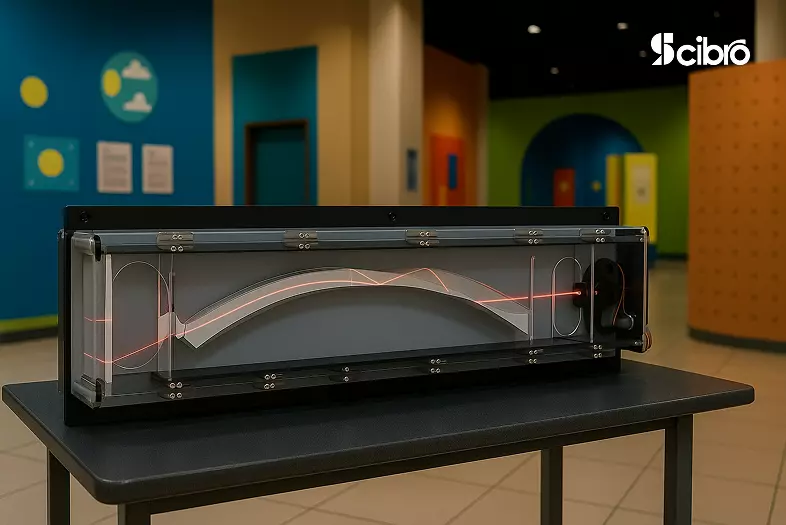
A series of six devices demonstrating how fiber optic cables can transmit light and signals. The experiments include passing laser light through different types of optical fibers, including curved mirrors and plastic tubes, to show how light can carry information over long distances.
Sound Processor
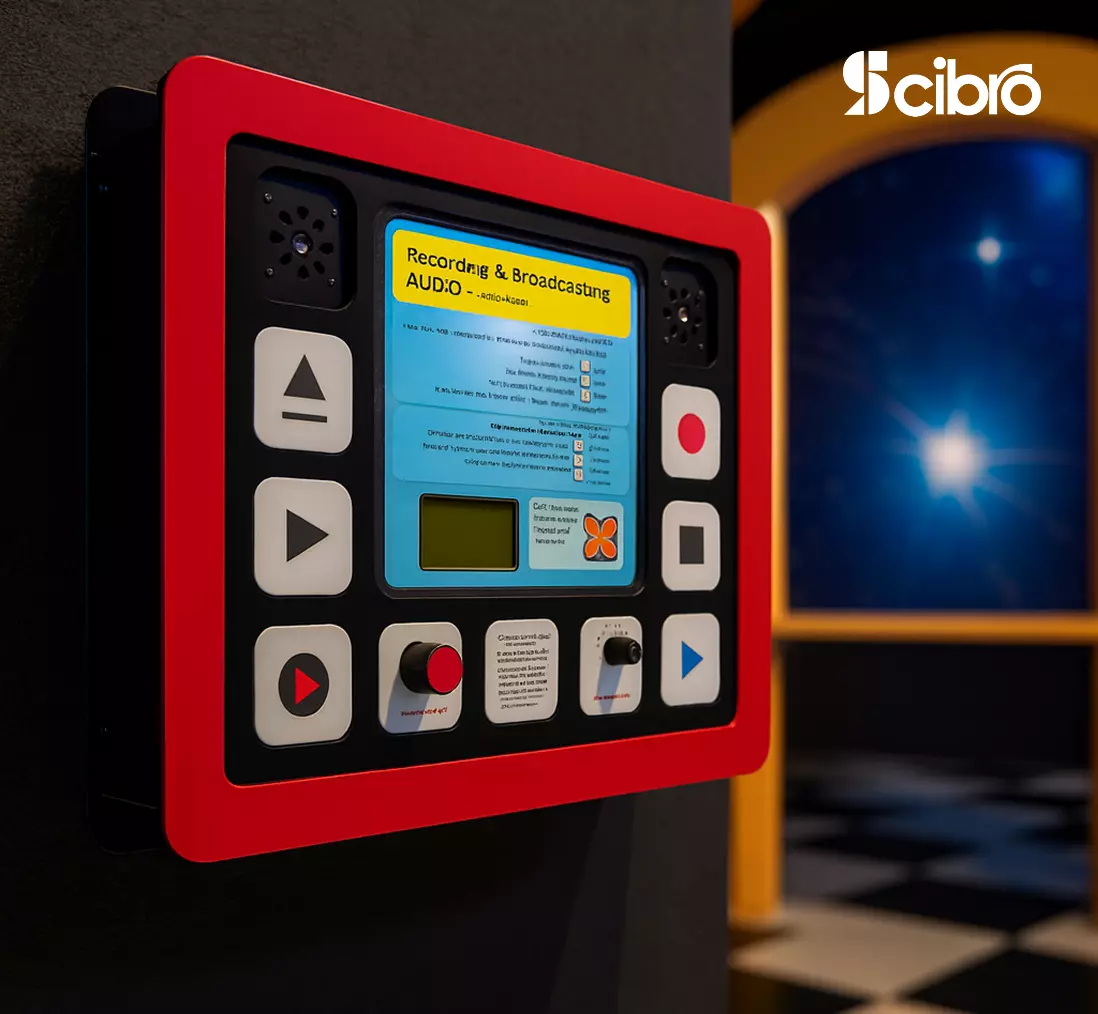
A more advanced system similar to the digital sound processor, allowing users to record sounds and adjust pitch or frequency before playback. Users can create effects such as making a man’s voice sound like a child’s, or vice versa.
Laser Sound Signal Generator
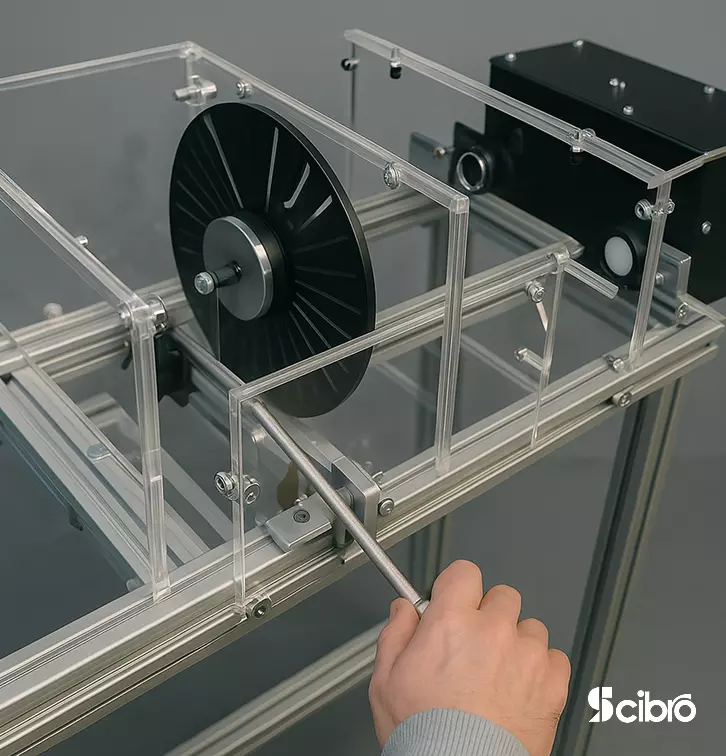
A device that uses a laser to transmit sound signals. A photoelectric sensor detects the laser's signal, and by modulating the laser's intensity, the device creates sound. Users can adjust the system to learn how light can be used to carry sound signals.
Laser Harp
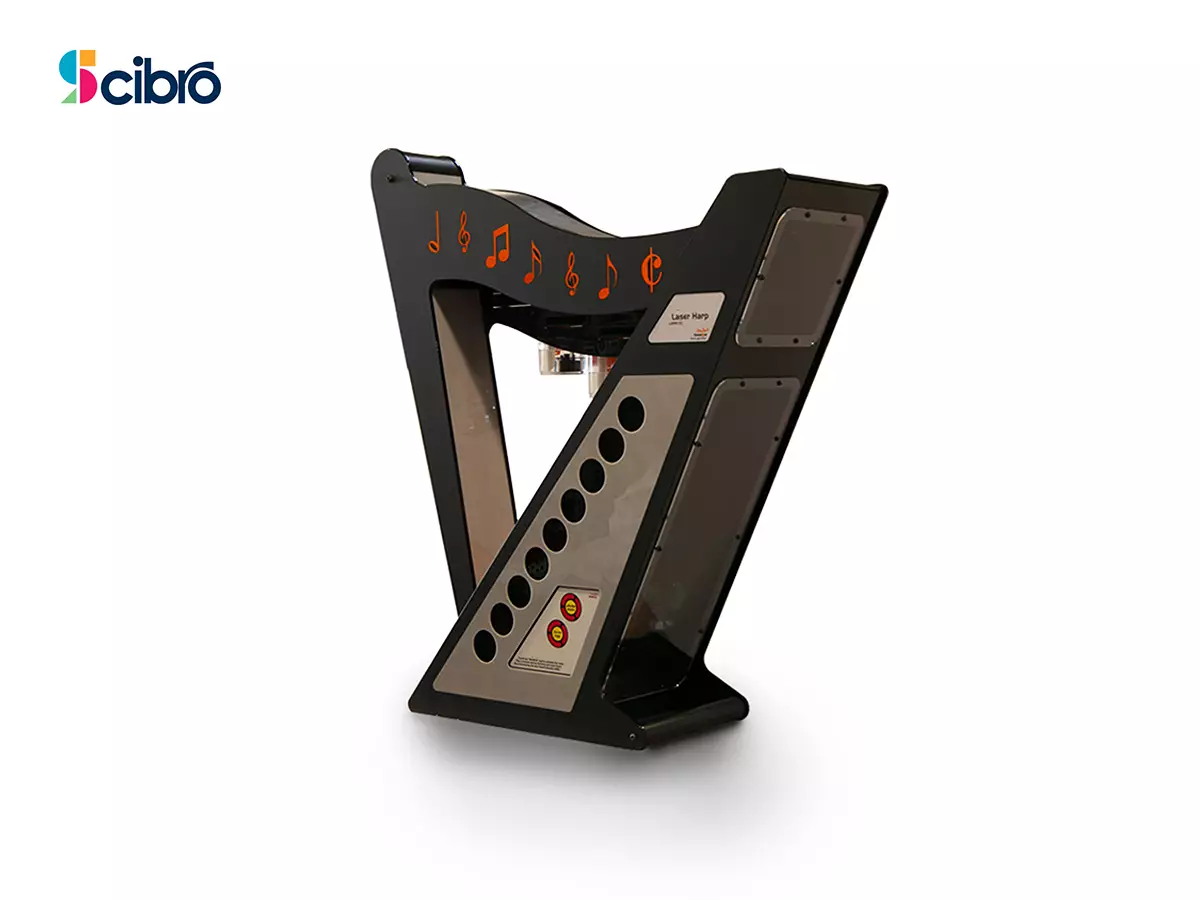
The device resembles a harp and can be played, but it lacks any vibrating strings. That is, where there are supposed to be strings that can be vibrated with a finger, there is nothing. Instead, several red laser beams shine down from the upper arm of the harp, acting as strings. When the player's finger interrupts the path of each of these beams, a musical note is produced.
Using a fog machine, the path of the laser beams is made visible by the fog created.
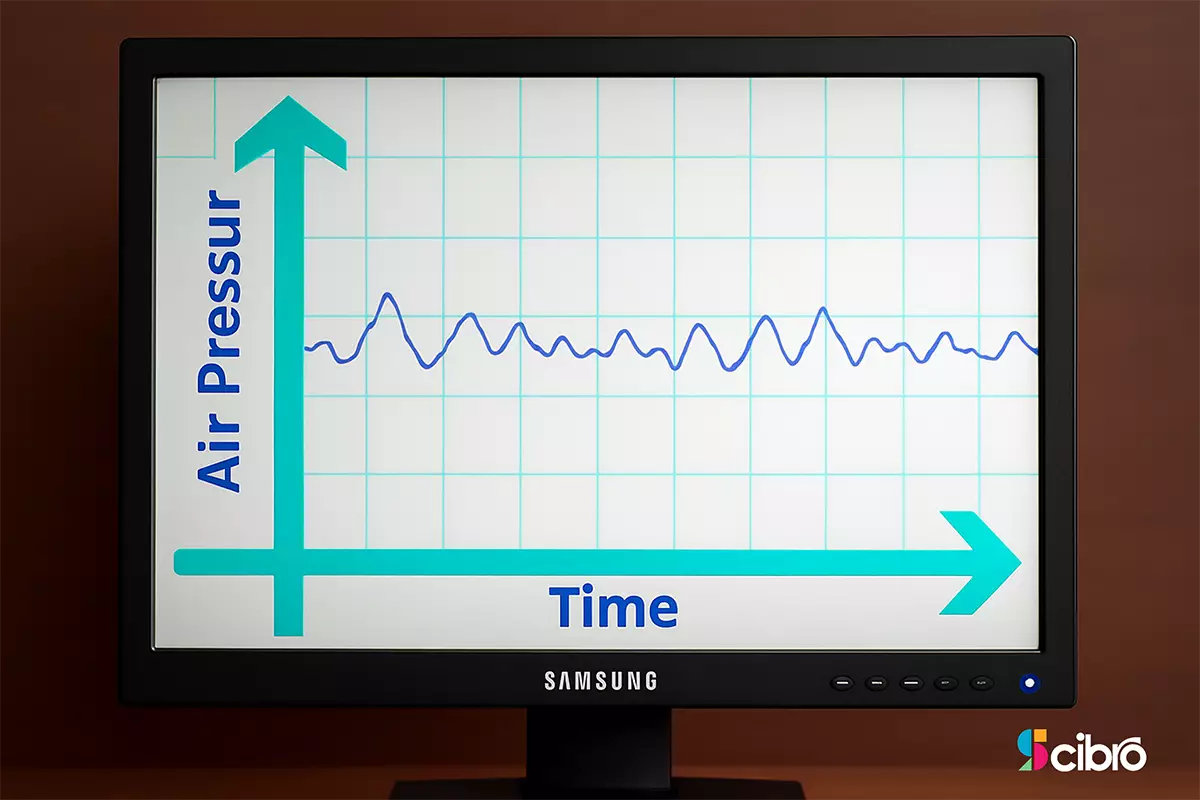
Sound Oscilloscope
A microphone connected to an electronic oscilloscope. When users speak into the microphone, the oscilloscope displays the sound waves as graphical patterns on a screen. By varying the sound, users can observe the different waveforms associated with different tones and frequencies.
write down your comment
Email
Message
Submit
Digital Sound Processor
A digital system that allows users to record their voices or sounds, then alter the frequency and tone before playing them back. The device demonstrates the effects of frequency modulation and provides a fun, interactive way to explore sound manipulation.
Request a Quote
Related Products
Fiber Optic Telecommunications Equipment
A series of six devices demonstrating how fiber optic cables can transmit light and signals. The experiments include passing laser light through different types of optical fibers, including curved mirrors and plastic tubes, to show how light can carry information over long distances.
Sound Processor
A more advanced system similar to the digital sound processor, allowing users to record sounds and adjust pitch or frequency before playback. Users can create effects such as making a man’s voice sound like a child’s, or vice versa.
Laser Sound Signal Generator
A device that uses a laser to transmit sound signals. A photoelectric sensor detects the laser's signal, and by modulating the laser's intensity, the device creates sound. Users can adjust the system to learn how light can be used to carry sound signals.
Laser Harp
The device resembles a harp and can be played, but it lacks any vibrating strings. That is, where there are supposed to be strings that can be vibrated with a finger, there is nothing. Instead, several red laser beams shine down from the upper arm of the harp, acting as strings. When the player's finger interrupts the path of each of these beams, a musical note is produced.
Using a fog machine, the path of the laser beams is made visible by the fog created.
Sound Oscilloscope
A microphone connected to an electronic oscilloscope. When users speak into the microphone, the oscilloscope displays the sound waves as graphical patterns on a screen. By varying the sound, users can observe the different waveforms associated with different tones and frequencies.
write down your comment
Email
Message
Submit
Digital Sound Processor

- $
Request a Quote
A digital system that allows users to record their voices or sounds, then alter the frequency and tone before playing them back. The device demonstrates the effects of frequency modulation and provides a fun, interactive way to explore sound manipulation.
Related Products
Fiber Optic Telecommunications Equipment
A series of six devices demonstrating how fiber optic cables can transmit light and signals. The experiments include passing laser light through different types of optical fibers, including curved mirrors and plastic tubes, to show how light can carry information over long distances.
Sound Processor
A more advanced system similar to the digital sound processor, allowing users to record sounds and adjust pitch or frequency before playback. Users can create effects such as making a man’s voice sound like a child’s, or vice versa.
Laser Sound Signal Generator
A device that uses a laser to transmit sound signals. A photoelectric sensor detects the laser's signal, and by modulating the laser's intensity, the device creates sound. Users can adjust the system to learn how light can be used to carry sound signals.
Laser Harp
The device resembles a harp and can be played, but it lacks any vibrating strings. That is, where there are supposed to be strings that can be vibrated with a finger, there is nothing. Instead, several red laser beams shine down from the upper arm of the harp, acting as strings. When the player's finger interrupts the path of each of these beams, a musical note is produced.
Using a fog machine, the path of the laser beams is made visible by the fog created.
Sound Oscilloscope
A microphone connected to an electronic oscilloscope. When users speak into the microphone, the oscilloscope displays the sound waves as graphical patterns on a screen. By varying the sound, users can observe the different waveforms associated with different tones and frequencies.
write down your comment
Email
Message
Submit