How STEM Builds Critical Thinking in Young Learners
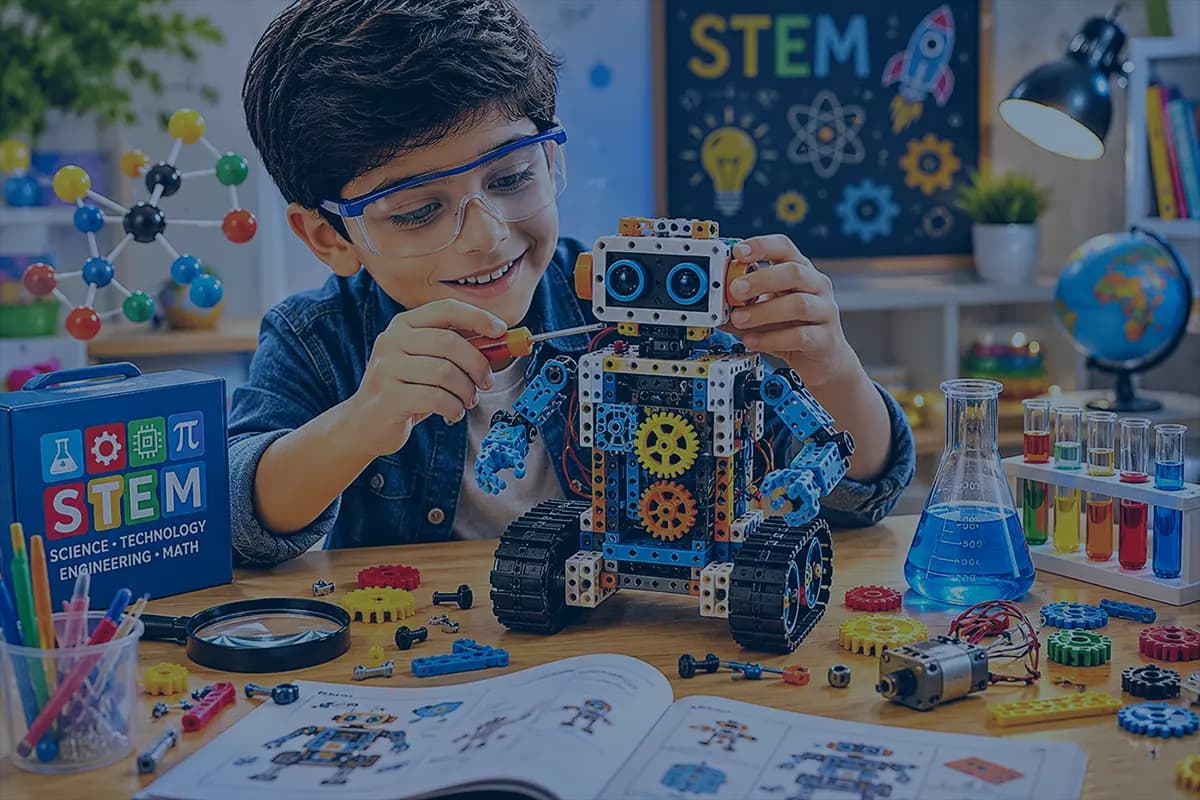
STEM activities train children to ask better questions, test ideas with evidence, and improve solutions step by step—skills they carry into every subject.

Stay informed with the latest research, insights, and practical tips about STEM education for students, parents, and educators.

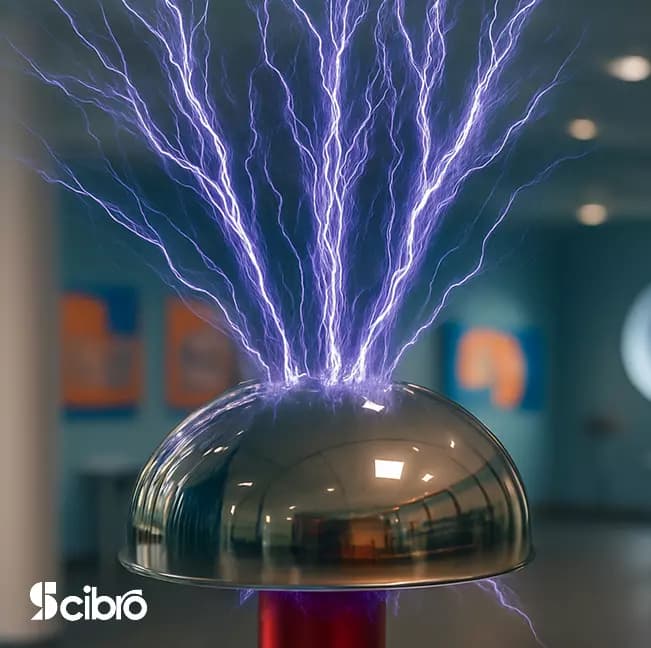
When students physically explore concepts through experiments, they form stronger memory pathways and remember core ideas longer.

STEM activities train children to ask better questions, test ideas with evidence, and improve solutions step by step—skills they carry into every subject.

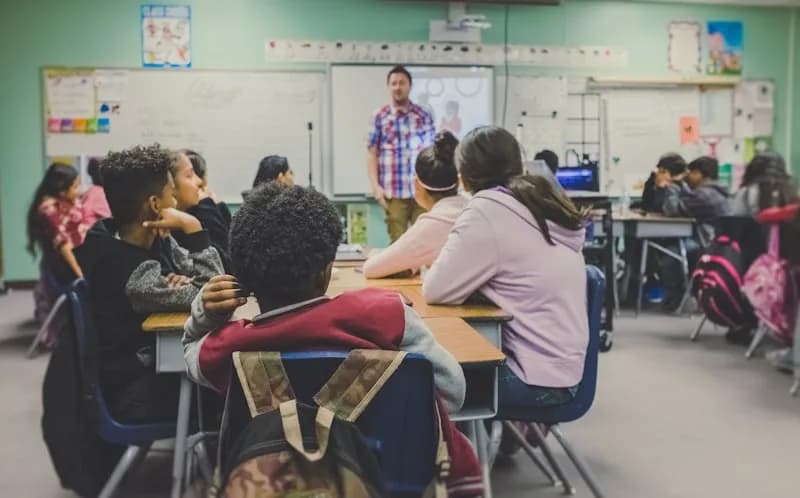
Schools are scaling STEM programs with stronger teacher training, project-based curricula, and better access to lab resources.

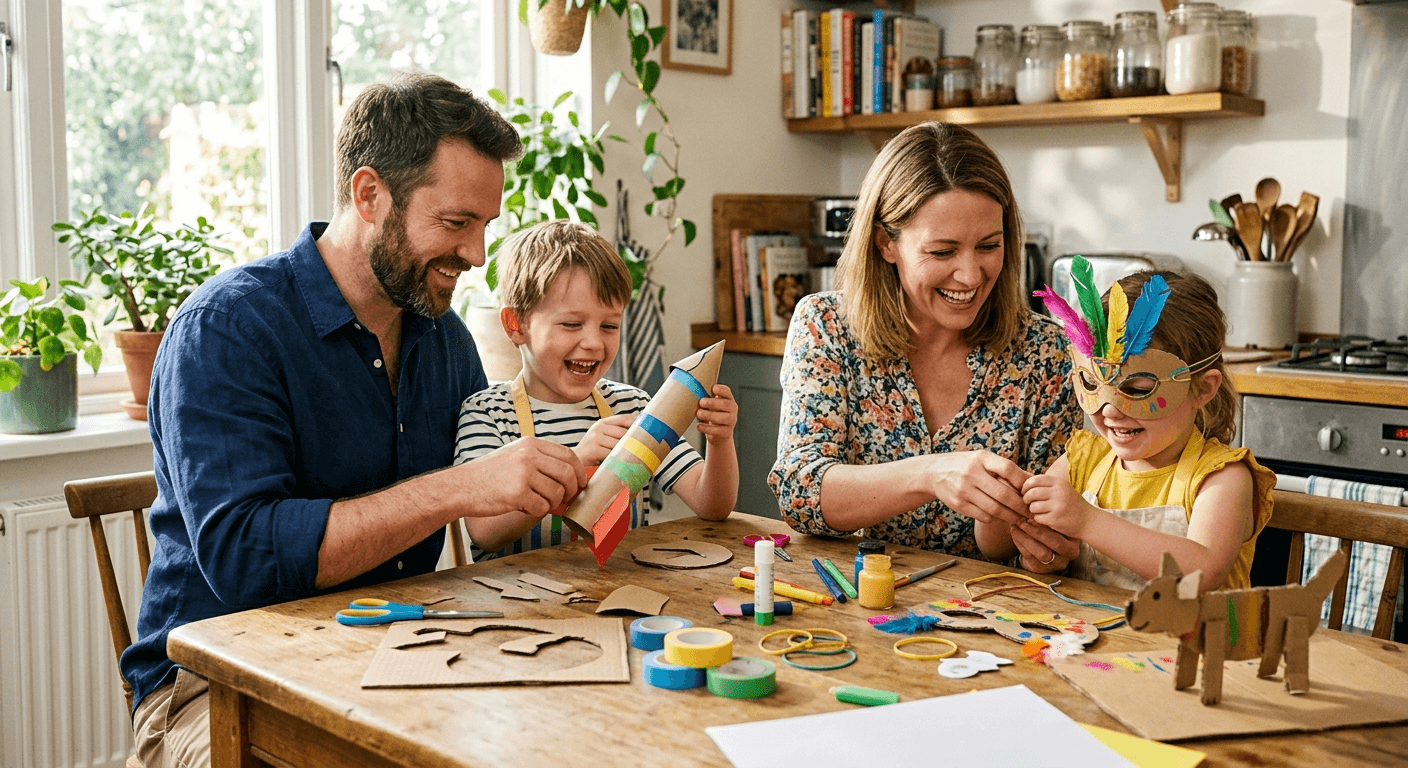
Simple routines at home can turn curiosity into confidence—without expensive kits or complex setups.

Inclusive STEM classrooms increase participation by offering multiple ways to explore, express, and succeed.

VR helps students experience invisible or dangerous scientific phenomena safely, making abstract concepts easier to grasp.

Interactive math experiences improve confidence and understanding by connecting numbers to real-world challenges.

Early exposure, inclusive mentoring, and visible role models are key to increasing girls’ participation in engineering pathways.

Outdoor STEM projects connect science to the real world and help children practice observation, data collection, and systems thinking.
Showing 9 of 9 articles