
A. Rahim
1 min read
3 views
VR helps students experience invisible or dangerous scientific phenomena safely, making abstract concepts easier to grasp.
Immersive Learning, Better Understanding
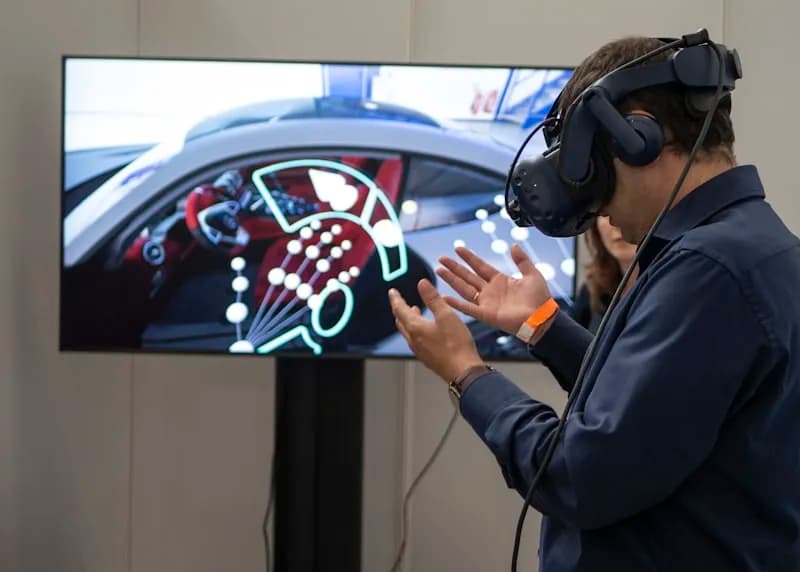
Virtual reality can place students inside environments that are impossible to visit physically—from molecular structures to volcanic systems. This immersive context supports conceptual clarity and motivation.
Where VR Adds Real Value
- Simulating high-risk lab scenarios safely.
- Visualizing microscopic and astronomical scales.
- Practicing procedures before physical labs.
- Supporting learners who need visual-spatial reinforcement.
Best Practices for Schools
VR works best as a complement, not a replacement, for hands-on activity. Pair simulations with real experiments, guided discussion, and reflection tasks to ensure durable learning outcomes.