Physics Science Kits – Science Kits for Kids | Scibro

Physics Science Kits for Young Explorers
Discover the fascinating world of physics through hands-on experiments with light, motion, electricity, and more.
Subscribe Now
Physics Science Kits
4 kits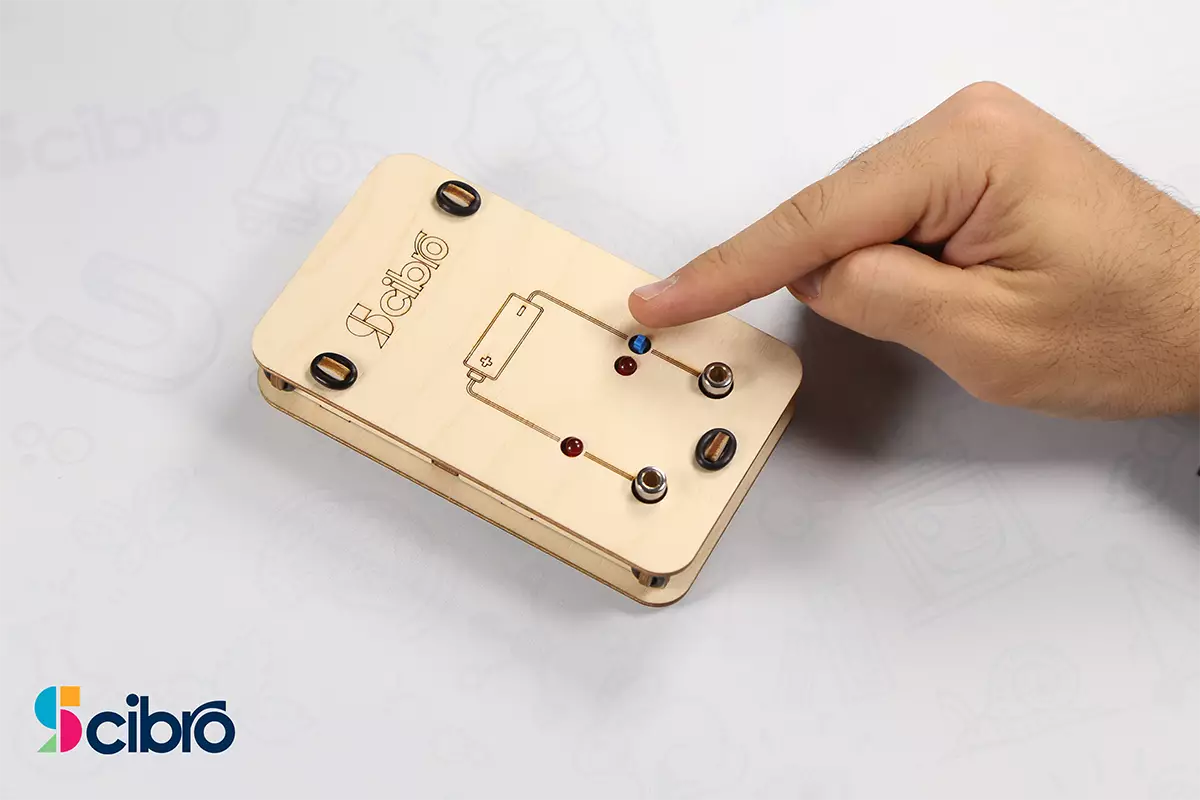
Conductivity Tester
In this kit, we will: • Build our own electrical conductivity meter. • Explore the conductivity and electrical resistance of various everyday materials – including the human body – through fun experiments and exciting games. • Discover how different levels of conductivity produce different sounds and tones, allowing us to play games and even create melodies using electric signals! And we’ll learn: • What is a simple electrical circuit and how does electric current flow through it? • What are conductive and non-conductive materials, and what is electrical resistance? • What are some practical applications of electrical resistance in the world around us?
View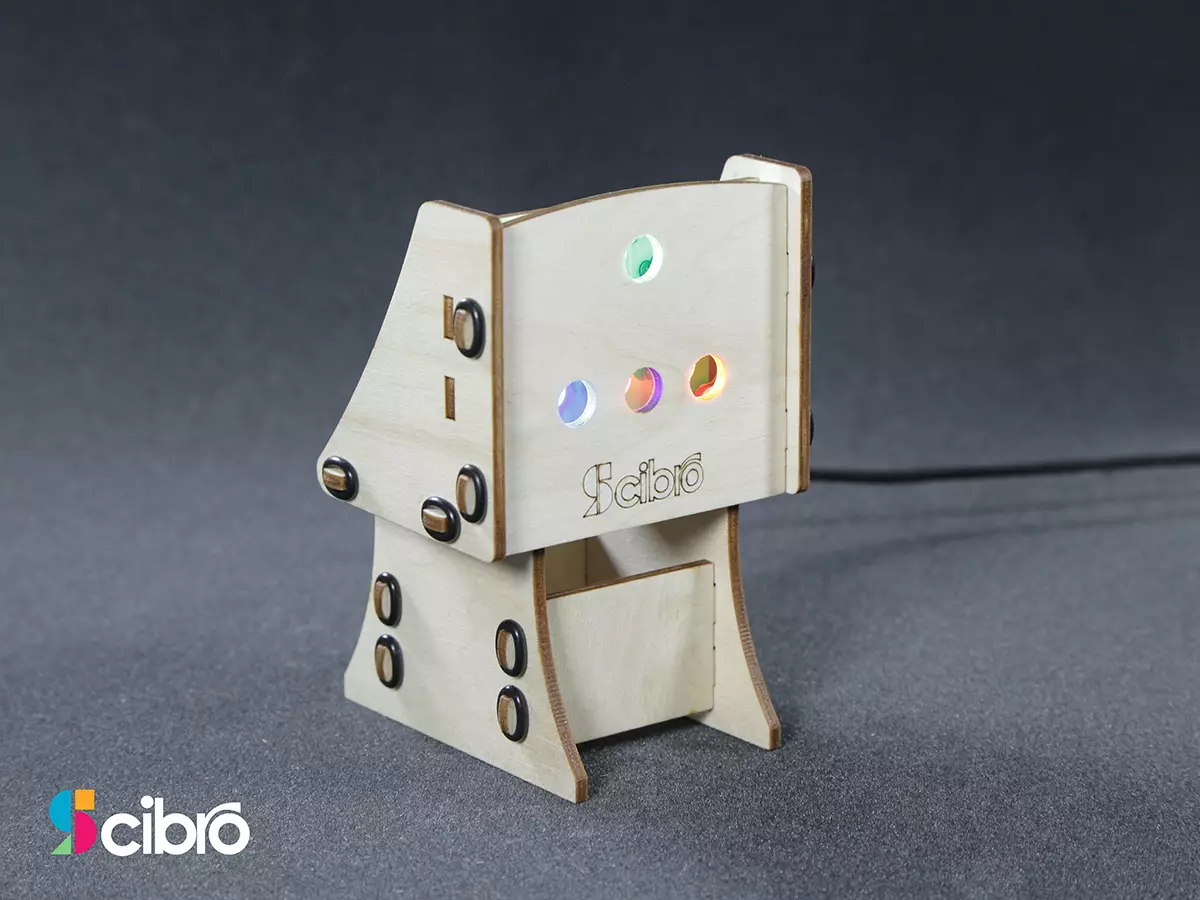
Colored Shadows
In this kit: - We will build our own three-color light source. - Shine red (R), green (G), and blue (B) lights individually, in pairs, and all together on a white board to observe how the colors combine. - Look at patterned colored sheets under different colored lights and see how the light affects the way we perceive the patterns. - Create obstacles in the path of the colored lights and explore the fascinating effects of colorful shadows. You’ll also learn: - What are the primary colors? - How are other colors created by combining primary colors? - How does the human eye perceive colors?
View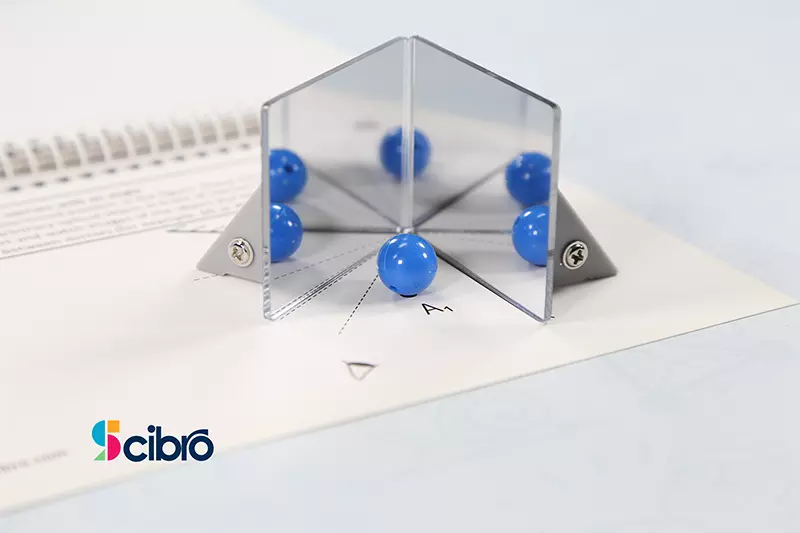
Mirrors Optics Set
In this kit, we will:We will perform experiments using plane, convex, and concave mirrors.By combining mirrors, we will create repeated reflections and astonishing visual scenes.Using mirrors, we will solve simple and complex “light maze” puzzles!And we will also learn:What is geometric optics?How does light behave when it interacts with different types of mirrors?How are images formed in different kinds of mirrors?What are plane, convex, and concave mirrors, and how are they different?How do optical fibers transmit light?
View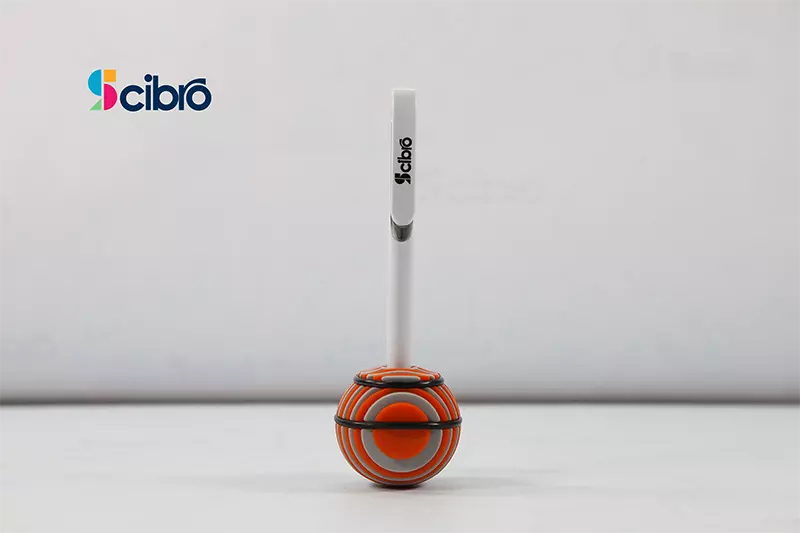
Balancing Pencil Holder
In this kit, we will:By connecting wooden and metal parts, we will build a three-dimensional structure.By placing dense metal discs strategically, we will lower the center of mass of the structure.We will create a scientific and unusual pencil holder that also works as a relaxing desktop toy.And we will also learn:We will learn about the center of mass and the physics of balance.We will learn how to build an object with stable equilibrium.We will learn how to create a three-dimensional structure using multiple layered panels.
ViewConductivity Tester
In this kit, we will: • Build our own electrical conductivity meter. • Explore the conductivity and electrical resistance of various everyday materials – including the human body – through fun experiments and exciting games. • Discover how different levels of conductivity produce different sounds and tones, allowing us to play games and even create melodies using electric signals! And we’ll learn: • What is a simple electrical circuit and how does electric current flow through it? • What are conductive and non-conductive materials, and what is electrical resistance? • What are some practical applications of electrical resistance in the world around us?
Colored Shadows
In this kit: - We will build our own three-color light source. - Shine red (R), green (G), and blue (B) lights individually, in pairs, and all together on a white board to observe how the colors combine. - Look at patterned colored sheets under different colored lights and see how the light affects the way we perceive the patterns. - Create obstacles in the path of the colored lights and explore the fascinating effects of colorful shadows. You’ll also learn: - What are the primary colors? - How are other colors created by combining primary colors? - How does the human eye perceive colors?
Mirrors Optics Set
In this kit, we will:We will perform experiments using plane, convex, and concave mirrors.By combining mirrors, we will create repeated reflections and astonishing visual scenes.Using mirrors, we will solve simple and complex “light maze” puzzles!And we will also learn:What is geometric optics?How does light behave when it interacts with different types of mirrors?How are images formed in different kinds of mirrors?What are plane, convex, and concave mirrors, and how are they different?How do optical fibers transmit light?
Balancing Pencil Holder
In this kit, we will:By connecting wooden and metal parts, we will build a three-dimensional structure.By placing dense metal discs strategically, we will lower the center of mass of the structure.We will create a scientific and unusual pencil holder that also works as a relaxing desktop toy.And we will also learn:We will learn about the center of mass and the physics of balance.We will learn how to build an object with stable equilibrium.We will learn how to create a three-dimensional structure using multiple layered panels.
Every Kit Sparks Wonder. Every Experiment Builds Confidence.
Join thousands of young scientists discovering the magic of hands-on learning
Start Your Science Journey Today